People come to Botox for different reasons. Some want their frown to stop broadcasting stress they do not feel. Others want their forehead to rest, or their crow’s feet to ease so their eyes look more awake. The common thread is simple: they want softening, not a new face. Done well, botox cosmetic injections relax targeted muscles and let light land more kindly on the skin. The finesse lives in the preparation and the aftercare just as much as it does in the needle.
What Botox actually does, in practical terms
Botox is a purified protein, onabotulinumtoxinA, used in botox wrinkle treatment to reduce the strength of specific facial muscles. It blocks the release of acetylcholine at the neuromuscular junction. Translation for daily life: the signal that tells the muscle to contract gets interrupted, so motion-linked creases ease. This is why botox for wrinkles helps most with expression lines, sometimes called dynamic wrinkles, such as forehead lines, frown lines between the brows, and crow’s feet around the eyes.
It does not fill anything. If a fold has etched so deeply that it is present even at rest, botox injections can soften the muscle pull that keeps carving it, but the static line may need complementary strategies like resurfacing, collagen-stimulating skincare, or filler in select areas. A careful assessment decides the blend.
Where it helps on the face, and where to be careful
The most common botox facial treatment zones for wrinkle reduction are straightforward:
- Forehead lines. The frontalis muscle lifts your brows and wrinkles the forehead horizontally. Botox for forehead lines softens those tracks while preserving brow position. Too much product or too low a pattern can drop the brows, especially if the patient already has heavy lids. The art is to quiet the lines without silencing your ability to look surprised. Glabellar lines. These are the vertical “11s” formed by the corrugator and procerus muscles. Botox for frown lines here can do two things at once: it stops the deepening crease and lifts a heavy glabellar complex that pulls the brows inward. Injection placement matters, because dropping product too low risks lid ptosis. Crow’s feet. Botox for crow’s feet works along the outer orbicularis oculi. The goal is to smooth the lateral smile lines without making the smile look tight. Going too far laterally or too deep risks affecting cheek elevation and causing a strange grin in photos.
Additional, targeted uses can finesse features:
- Subtle brow shaping. A conservative botox brow lift or botox eyebrow lift, often 2 to 4 units at the tail of each brow, can open the eye without a drastic change. Good for someone who feels heavy laterally. Bunny lines. Small injections along the upper nose stop scrunching that pairs with frown lines. Chin dimpling. Botox chin treatment relaxes a hyperactive mentalis that puckers the skin or pulls the chin upward. Lip flip. A light botox lip flip treatment relaxes the upper lip slightly so it shows more vermilion when you smile. This is precisely dosed and not a replacement for lip volume. Neck bands. Platysmal band treatment can soften vertical cords and hint at a botox neck lift look, but dosing must be deliberate to avoid swallowing or voice changes. If neck skin laxity is the main issue, skin tightening or lifting procedures may be more suitable.
Outside the wrinkle conversation, botox masseter treatment for jaw slimming, botox for teeth grinding, botox TMJ treatment, and botox migraine treatment are therapeutic pathways in their own right. They demand different dosing and risk discussions. For wrinkle-focused visits, keep the plan focused on the upper and mid-face unless you and your clinician have mapped a broader aesthetic or medical goal.
How many units, how often, and what it feels like
Numbers vary by anatomy, muscle strength, and gender. Typical ranges, for context:
- Glabellar lines: 20 units total is the classic FDA on-label dose, often split across five points. Forehead lines: 6 to 20 units depending on forehead height, muscle bulk, and the glabella plan. The forehead never lives in isolation, so it is usually dosed together with the glabella to balance brow position. Crow’s feet: 6 to 12 units per side, most often 12 total per side across three points. Bunny lines: 2 to 5 units per side. Chin dimpling: 4 to 8 units total. Brow lift touch: 2 to 4 units per side.
Men often require higher dosing due to greater muscle mass. Very expressive patients, endurance athletes, and those with quick metabolisms sometimes notice faster fade. The conversation about how many botox units are needed should reflect how you move day to day, not just how the face looks at rest in a chair.
The procedure is fast. Expect a 15 to 30 minute appointment for botox facial wrinkle injections, including mapping, cleansing, and the injections themselves. A 30 or 32 gauge needle is typical. Most patients describe pinches and a brief sting. Ice, vibratory distraction, or a light topical anesthetic can be used if you are needle sensitive, but most people skip numbing to avoid vasodilation that can increase bruising.
Results begin to show in 2 to 5 days, reach a peak by 10 to 14 days, and last about 3 to 4 months for most people. Some hold effect closer to 2 months, others up to 6. Maintenance sits comfortably at three or four times per year. If you are asking how often botox injections are needed for stable wrinkle control, think seasonally. Keep photographs of your baseline and your 2 week result to calibrate dosing over time.
The consultation that sets you up for success
Preparation begins with a smart intake. A thorough history should flag neuromuscular disorders, prior facial surgery, eyelid heaviness, keloid tendencies, and allergies. Medications matter. Blood thinners like warfarin, apixaban, or rivaroxaban, as well as aspirin and NSAIDs, increase bruising risk. So do supplements such as fish oil, ginkgo, garlic, ginseng, and vitamin E. Do not stop prescription blood thinners without clearance from the prescribing clinician. If your schedule allows, tapering bruising-prone supplements for a week can help.
A clinician should watch you animate, not just photograph you. Raise your brows, scowl as you do in traffic, smile as you would with friends, and read a line from your phone so your habitual expressions show up. This tells us where to place botox face injections to smooth lines without freezing the expressions you like. Think of it as calibrating a soundboard. Too much in the frontalis, and the brows can feel heavy. Too little in the glabella, and you will still pull inwards when concentrating. That push and pull defines the map.
If you are planning an event, inject two to three weeks beforehand. That gives time for the full effect and for any necessary touch-ups. Do not get botox for the first time 48 hours before a wedding or photoshoot. Bruises happen. So can mild headaches or eyebrow asymmetry that needs a small correction at the 2 week check.
Pregnancy and breastfeeding remain no-go zones, not due to known harm but because safety data is insufficient. Active skin infection or rash over the treatment area should also delay treatment until cleared. If you are prone to cold sores, injections near the lips are not typical for wrinkle treatment, but prophylaxis can be discussed for perioral plans.
A straightforward prep checklist
- Plan appointments 2 to 3 weeks before important events to allow for peak effect and any refinements. If safe for you, avoid nonessential blood thinning agents for 5 to 7 days before treatment, and limit alcohol for 24 hours before. Confirm all medication changes with your prescribing clinician. Pause retinoids, exfoliants, and harsh scrubs on the treatment areas for 24 hours before, so the skin is calm. Arrive with clean skin without heavy moisturizer, sunscreen, or makeup. If coming from work, bring a gentle cleanser. Eat a light snack and stay hydrated. Low blood sugar makes people feel queasier during any injection procedure.
What actually happens on the day
You will sign a consent that covers benefits, alternatives, and potential side effects. This is more than paperwork. It is your chance to ask the detailed questions that build trust: where will you inject, what are the likely aftereffects, and what would the plan be if you did not like a certain change.
We start with photographs, at rest and in animation, to benchmark botox before and after results. Then the skin is cleansed. Some clinicians draw a light grid with a white pencil along muscle vectors, others work from their eye and palpation. Both methods are fine if the injector is experienced. You may feel a sense of pressure, a quick pinch, and occasionally a soft crunch that is simply the needle passing through connective tissue. Bleeding is usually a pinprick dot. Small drops of blood are dabbed gently, not rubbed, to avoid dispersing product superficially. A cool pack, not a heavy compress, can settle sensitivity.
Most leave with tiny raised blebs at injection points that flatten within minutes. Makeup can be applied later the same day if there is no oozing, ideally mineral based. The entire visit feels more like an opt-in lunch break than a medical ordeal, which is part of the appeal of a minimally invasive wrinkle treatment.
The first 24 hours: aftercare that actually matters
- Keep your head upright for 4 hours after injections. Avoid lying flat or bending deeply. Skip strenuous exercise for 24 hours, and avoid hot yoga, saunas, or steam rooms during that time. Do not rub or massage the treated areas for the day. Treat your face like you just painted a wall you do not want to smudge. If you need to apply skincare at night, use a gentle cleanser and light moisturizer, and pat rather than rub. For tenderness or a headache, consider acetaminophen. Avoid NSAIDs if bruising risk is a concern unless a doctor directs otherwise.
Bruising, if it occurs, generally settles in 3 to 7 days. Arnica gel and brief, gentle icing can help. Sleep with your head slightly elevated on the first night if you are prone to swelling. If you see a firm, pea-sized lump under the skin right after, it is usually a small hematoma and resolves on its own. Resist the urge to poke or press it.
Timeline of results, and what counts as normal
The day after treatment you might feel nothing different, or a faint heaviness in the treated muscles as the signal begins to dim. By day three, the stubborn scowl often starts to soften. On day five to seven, forehead lines begin to smooth, and crow’s feet show less crinkling. The peak effect usually lands at two weeks. That is why practices schedule a 10 to 14 day follow up for a quick check and any fine tuning.
Botox results timeline is not identical for everyone. People with strong glabellar muscles often feel relief early there, while the forehead takes a few extra days. If by the two week mark there is still significant asymmetry, a few small units can balance things. If the result feels heavier than you like, it will still relax over the next several weeks. The protein binds and then your body slowly sprouts new nerve endings to reestablish connection. That biology is why botox recovery time is short, but effect duration feels steady and then fades.
Side effects: the common, the uncommon, and the red flags
Common, mild effects include pinpoint bruising, tenderness, a dull headache, and a brief sense of tightness. These are self-limited. Swelling is usually minimal. Make sure makeup brushes are clean if you use them to camouflage small marks.
Less common issues require an experienced eye:
- Eyelid ptosis. A droopy upper lid occurs if product diffuses into the levator palpebrae. It is uncommon when precise technique is used and the patient follows aftercare instructions. If it happens, apraclonidine or oxymetazoline eye drops can temporarily lift the lid 1 to 2 millimeters. The effect fully resolves as the botox wears off. Brow heaviness. Most often from overtreating the frontalis in someone with low-set brows or preexisting lid laxity. The fix is prevention: dose the glabella adequately, keep forehead doses conservative, and inject high on the forehead while sparing lateral fibers. If it occurs, conservative relaxation of the brow depressors at the tail can help. Smile asymmetry. Usually results from going too deep or too lateral near the zygomatic complex or from treating crow’s feet aggressively. It looks more obvious in photos than in the mirror and fades with time. Neck weakness or swallowing difficulty. Rare, and associated with high dose platysmal treatments. This underscores the need for careful patient selection and anatomy knowledge.
Serious allergic reactions are very rare. Still, if you experience difficulty breathing, hives, or swelling far beyond injection points, seek urgent care.
What makes results look natural
Natural results are not a function of luck. They come from proportionate dosing, correct depth, and intentional spacing. A small but important example: the forehead is the only muscle that lifts the brows. If you relax it too much without addressing the downward pull from the glabella complex, the brows drop. Likewise, a glabella that is undertreated will force your forehead to overwork, because the brain still tries to lift against the inward pull.
Your anatomy and your goals guide the plan. A patient who speaks on camera for a living might want just enough botox wrinkle relaxing injections to mute harsh lines while keeping plenty of motion. A patient with deep etched 11s may prioritize stronger glabellar dosing even if that means feeling a heavier brow for the first two weeks. Trade-offs are part of the strategy discussion, and they should be explicit.
Building a smart routine around your injections
Botox is a tool, not the whole toolbox. A simple, consistent skincare plan supports better skin texture and tone so the softened lines look their best. Daily broad-spectrum sunscreen, a retinoid at night if your skin tolerates it, and a well-formulated vitamin C serum in the morning elevate overall skin quality. Hyaluronic acid serums and a ceramide-rich moisturizer can make skin look dewy so botox skin smoothing treatment reads as fresh rather than flat.
Static lines that outlive your expressions respond to resurfacing options, from light chemical peels to fractional lasers. Microneedling with or without radiofrequency can gradually thicken dermis and blur those lines. When volume loss is the driver around the mouth or in the midface, consider fillers. The point is not to chase every treatment, but to match the tool to the job. Botox facial rejuvenation does the heavy lifting for motion wrinkles. Other modalities fill the gaps it was never designed to address.
Special cases and edge scenarios I see in practice
- The athlete who metabolizes fast. I treat several endurance athletes and trainers. They often come in one to two weeks earlier than average for maintenance because they notice fade at 8 to 10 weeks. We plan smaller, more frequent visits instead of pushing heavy doses. The first timer before a milestone event. We map two visits: a full plan three weeks before, then a 10 day check for tiny tweaks. If there is no time for that, we keep the first session conservative and favor the glabella to light up the eyes without risking a flat forehead. The patient with deep forehead lines and low brows. We prioritize the glabella and use microdroplets high on the forehead, sometimes with staged dosing. This lifts the sense of heaviness and still softens the tracks. The avid glasses wearer with bunny lines. Treating the scrunching along the nose gives a cleaner midface in photos and stops makeup from settling in those creases. The lip flip curious patient who uses S sounds sharply. We test at rest and in speech. If the lip is already short or dental show is high, a lip flip may make sipping through a straw or pronouncing certain sounds feel odd for a few weeks. Better to underdose or skip.
Safety, sourcing, and practitioner choice
You should know exactly what is being injected. Ask to see the vial and label. Only FDA approved products sourced through legitimate channels belong in your face. Refrigeration, dilution, and timing after reconstitution all matter for consistent results. An expert in cosmetic dermatology or a trained injector with supervised experience in botox cosmetic facial injections will be comfortable discussing their technique, their plan for avoiding complications, and their process if a touch-up is needed.
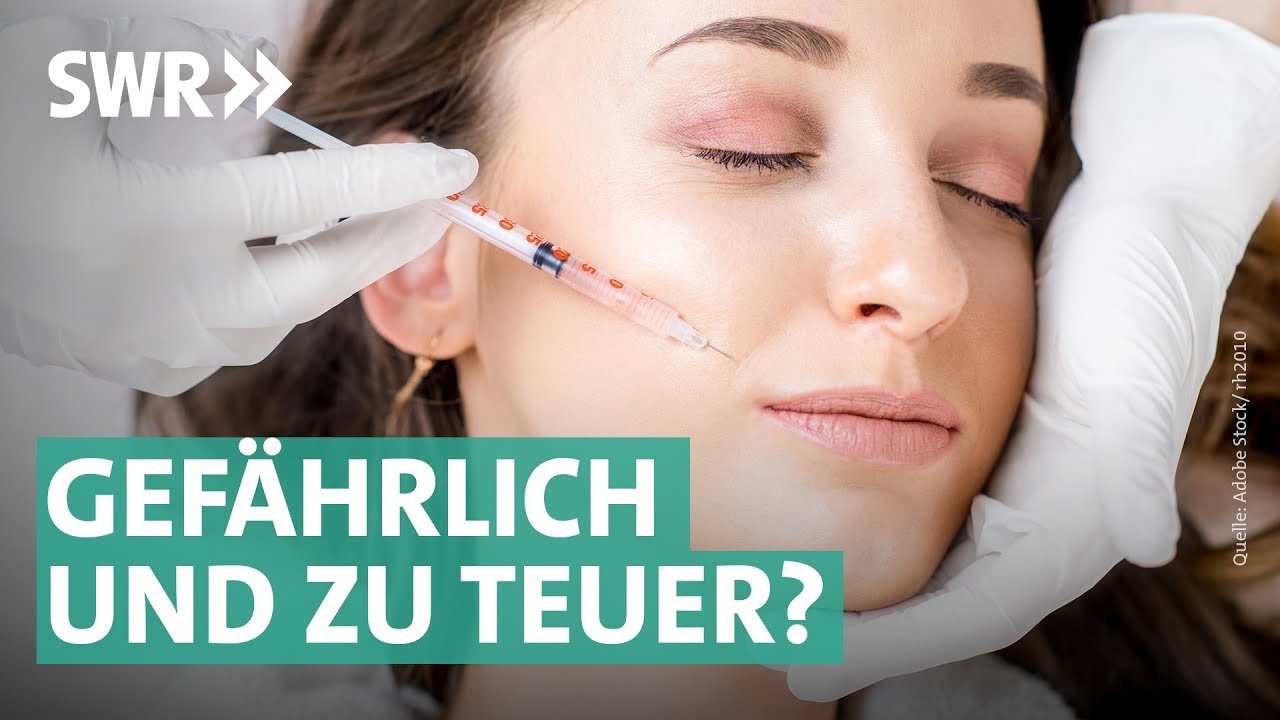
Price often reflects more than product cost. It includes the clinician’s assessment time, sterile supplies, and follow up. Chasing the lowest number per unit can cost more in the long run if you end up correcting problems. Better to pay for a calibrated dose of botox facial wrinkle therapy that respects your anatomy and your goals.
When to pair Botox with medical indications
Wrinkle care can ride alongside medical benefits. Patients treated for chronic migraines with botox for migraines sometimes notice fewer forehead lines as a side effect. Patients receiving botox hyperhidrosis treatment for underarm sweating get their social and professional lives back during hot months while also appreciating drier clothes. If you are already getting therapeutic botox, coordinate with your providers to avoid overlapping appointments too closely, which can complicate tracking response and dosing.
Frequently asked judgment calls
Does botox hurt? Most people describe a sting that rates between 1 and 3 out of 10. The glabella can feel spicier than the forehead. Ice, breathing, and an experienced hand make it quick.
Is botox safe? In healthy adults under the care of trained clinicians, botox cosmetic treatment has a long safety record. Safety is not just the molecule, it is the technique and the decision making around whether you are a good candidate on any given day.
How long does botox last? Expect 3 to 4 months on average, plus or minus several weeks. Crow’s feet tend to fade a bit sooner than the glabella. Maintenance every season keeps results even.
Can I prevent wrinkles with early treatment? Botox wrinkle prevention is real for dynamic lines. Starting when lines first persist at rest, not a decade before, tends to give the best balance of natural look and long term smoothing. Ultra-early, high frequency use in a completely line-free face is rarely necessary.
Will I look frozen? That depends on dosing, patterns, and your goals. Most of my patients keep at least one third of their forehead motion, a relaxed but responsive glabella, and smiling eyes with fewer crinkles rather than none. Natural expression is the goal.
Putting it all together
A thoughtful botox cosmetic procedure delivers more than a smooth forehead. It changes how your face communicates effort, stress, and fatigue. The best outcomes come from an honest pre-treatment conversation, precise mapping, and simple but disciplined aftercare.
Patients often report that at the two week mark coworkers say they look rested, not different. Makeup sits more evenly. Photographs are kinder. And the mirror reflects how they actually feel inside. That is the quiet power of a well executed botox facial wrinkle procedure.
If you are considering your first appointment or refining New Providence botox treatments a long running routine, center your plan around three anchors. First, be clear about what you want to keep moving as well as what you want to soften. Second, schedule with enough runway before big events. Third, treat aftercare as the final step of the procedure, not an afterthought. With those pieces in place, botox wrinkle reduction reads as confidence, not intervention, and it fits seamlessly into the rhythms of real life.